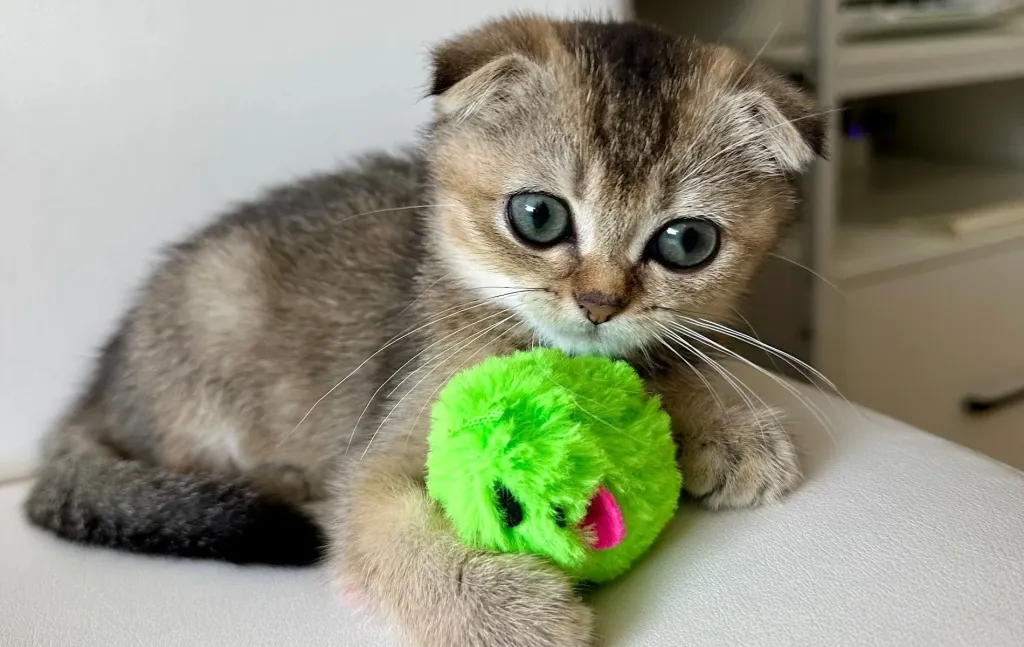
Kitten playtime shapes far more than a few fun minutes each day. Indeed, every pounce builds muscle, sharpens reflexes, and teaches natural hunting skills. Additionally, those sessions strengthen the bond between you and your new companion. With the right toys and timing, play becomes the best part of your shared routine.
Why Kitten Playtime Matters So Much
Play keeps young cats physically active and mentally engaged. For example, chasing and pouncing develops coordination, balance, and timing. Furthermore, wrestling with littermates in the earliest weeks teaches eye–paw precision. Consequently, kittens who play well grow into confident, well-adjusted adults.
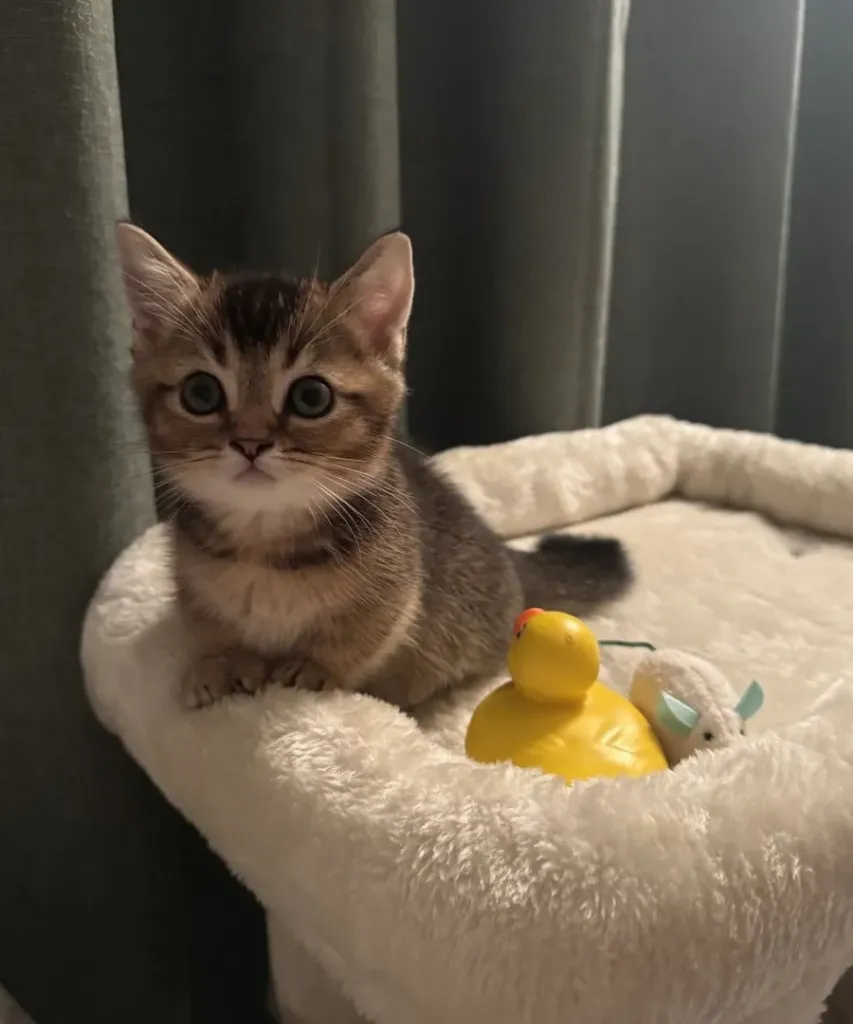
Tip: Never offer your fingers or toes as toys. Otherwise, that cute habit turns into painful scratches and bites once your cat matures.
The Best Times for Kitten Playtime
Cats hunt naturally at dawn and dusk. Therefore, early morning and evening suit their energy best. Plan short sessions of ten to fifteen minutes, two or three times daily. Meanwhile, your kitten will nap, explore, and entertain herself through the rest of the day.
Choosing the Right Toys for Kitten Playtime
Interactive toys deliver the most rewarding sessions. For instance, wand toys with feathers or small mouse shapes trigger real hunting instincts. Then make the toy dart, flutter, and hide, exactly as prey would behave. As a result, your kitten chases with genuine focus rather than boredom.
Additionally, always finish each session with a catch. Otherwise, your kitten ends the game frustrated and unsatisfied. Likewise, rotate two or three toys weekly so novelty keeps her interested.
Final Thoughts on Kitten Playtime
Good kitten playtime costs little yet returns enormous benefits. With safe habits, thoughtful timing, and the right toys, your kitten will grow up healthy, confident, and closely bonded to you. To explore breed traits and natural play behavior, browse the TICA breeds guide. Then, when you feel ready to welcome a companion, visit our Available Kittens page.
FAQ
Most kittens thrive on two or three sessions daily, around ten to fifteen minutes each. Young cats sleep sixteen hours or more per day, so brief active periods fit their natural rhythm.
Cats hunt naturally at dawn and dusk, so early morning and evening work best. An evening session before bedtime also tires your kitten out and reduces midnight sprints.
Wand toys with feathers, ribbons, or small mouse shapes work best. Dragging the toy along the floor mimics prey more convincingly than waving it overhead. Rotate two or three toys weekly to keep your kitten interested.
A kitten biting fingers seems harmless at eight weeks, but the habit becomes painful once adult teeth and claws arrive. Redirect play toward a toy instead of your skin from the first day.
Yes. A hunt without a successful catch leaves a kitten frustrated. Let her win at the end of every session, then follow up with a meal or treat.
Laser toys create movement but never allow a real catch, which can make some cats anxious or fixated. If you use one, finish by pointing it at a physical toy your kitten can grab.
Stop the game immediately and stay still, then offer an appropriate toy a moment later. Never scold or tap your kitten, since fear damages trust and rarely changes behavior.
Many kittens flourish with a companion of similar age, since littermates wrestle together and burn energy naturally. A single kitten does well too, provided you commit to daily interactive sessions.
Play builds trust quickly. A kitten who associates your hands with fun toys accepts grooming and handling more readily, which makes vet visits, nail trims, and brushing simpler later on.